Commercial Solarin Staffordshire &the Midlands.
Solar for small businesses, commercial premises and rural properties across the Midlands. Bespoke design, transparent payback modelling, and full DNO / G99 handling — end to end.
MCS-certified · Commercial G99 experience · Sized around your load profile, not a default kit
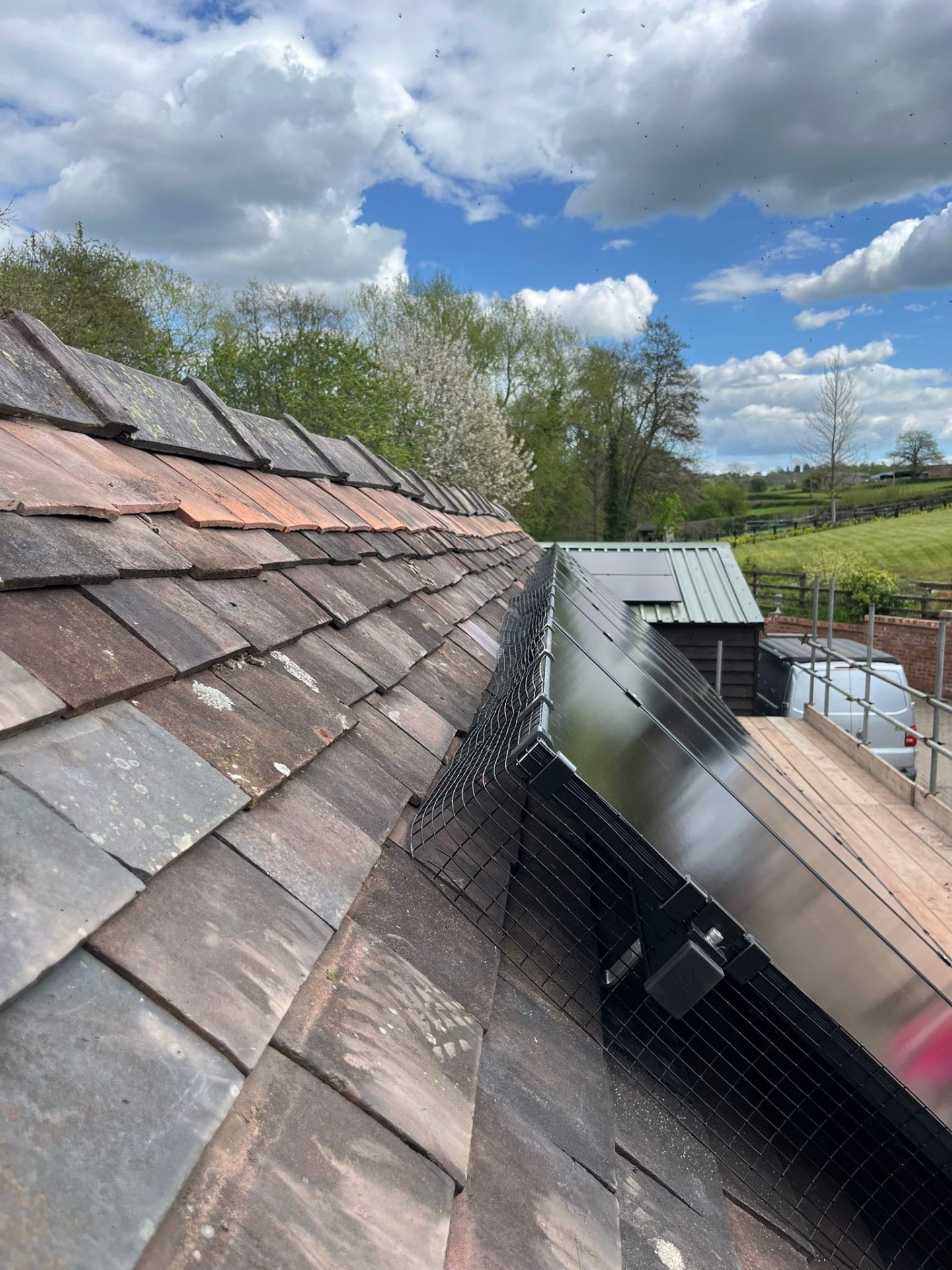
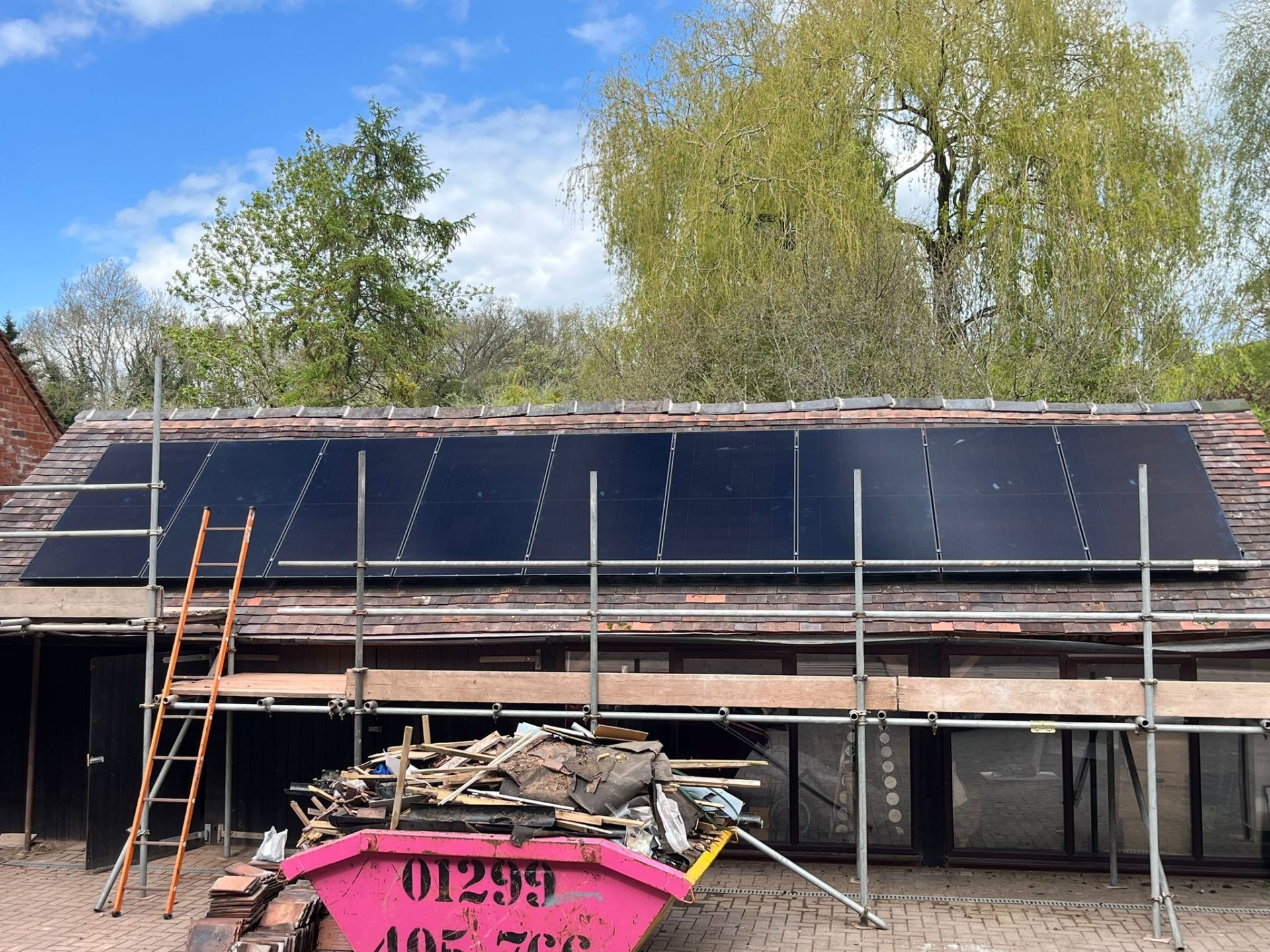
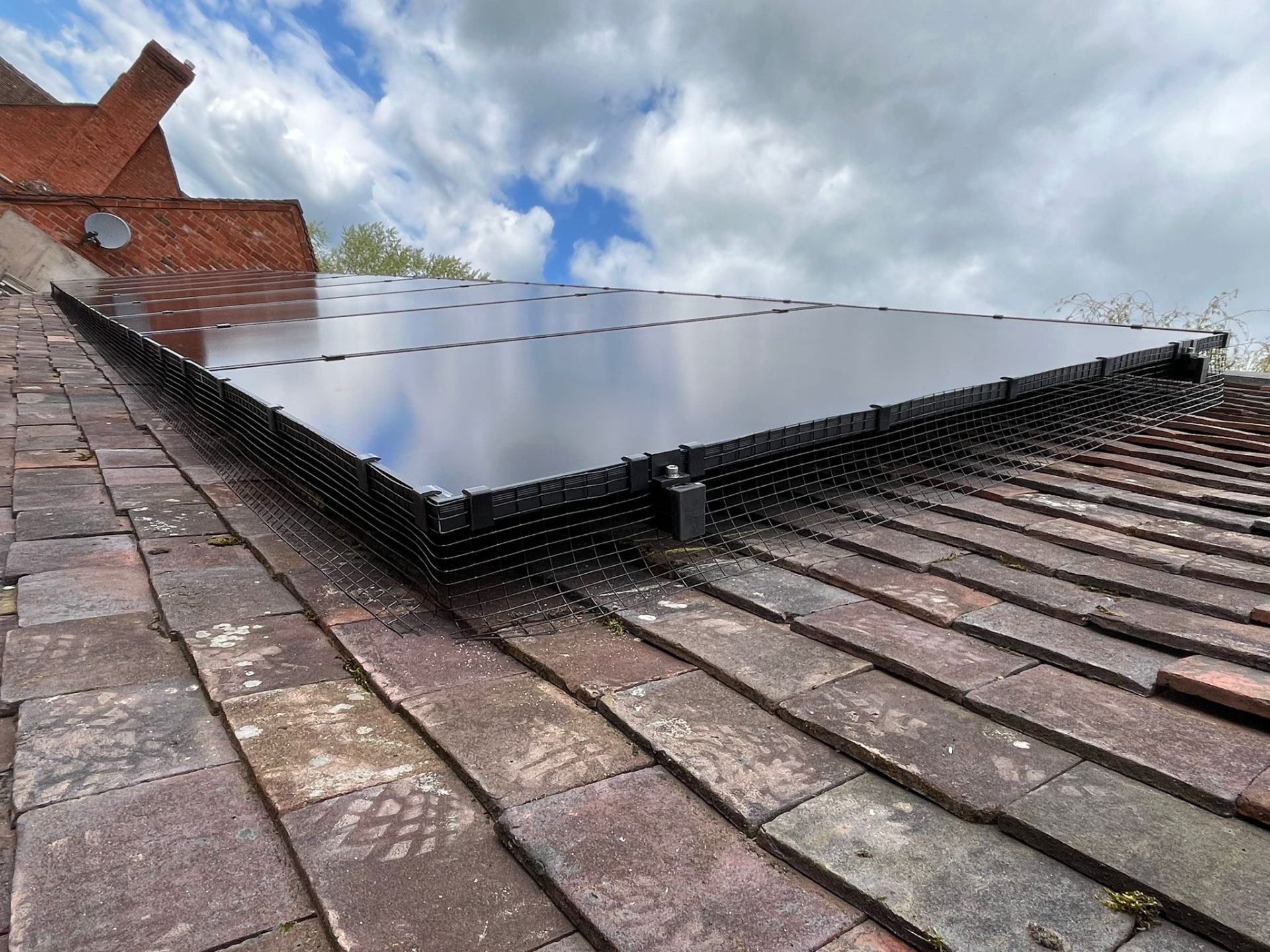
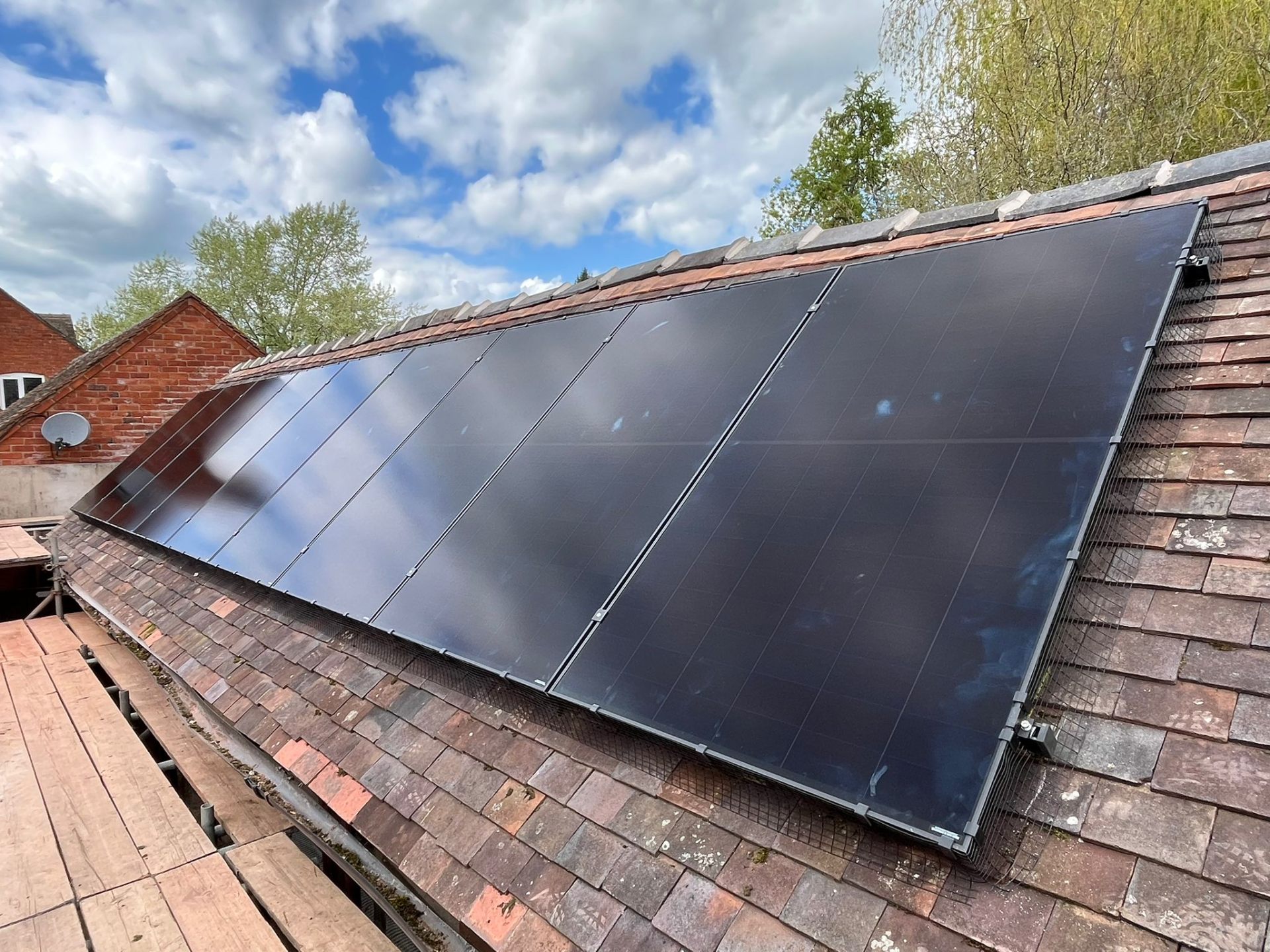
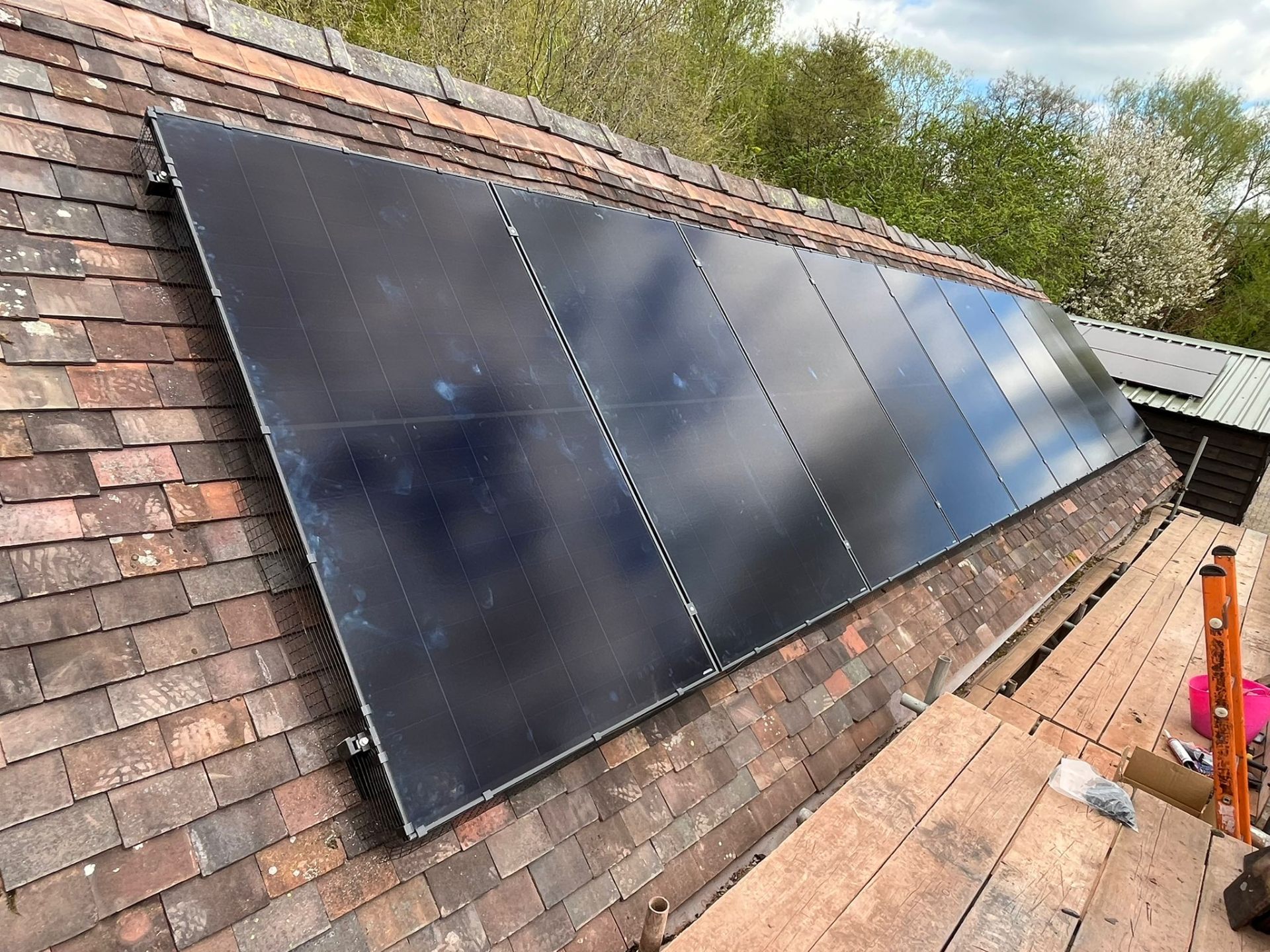
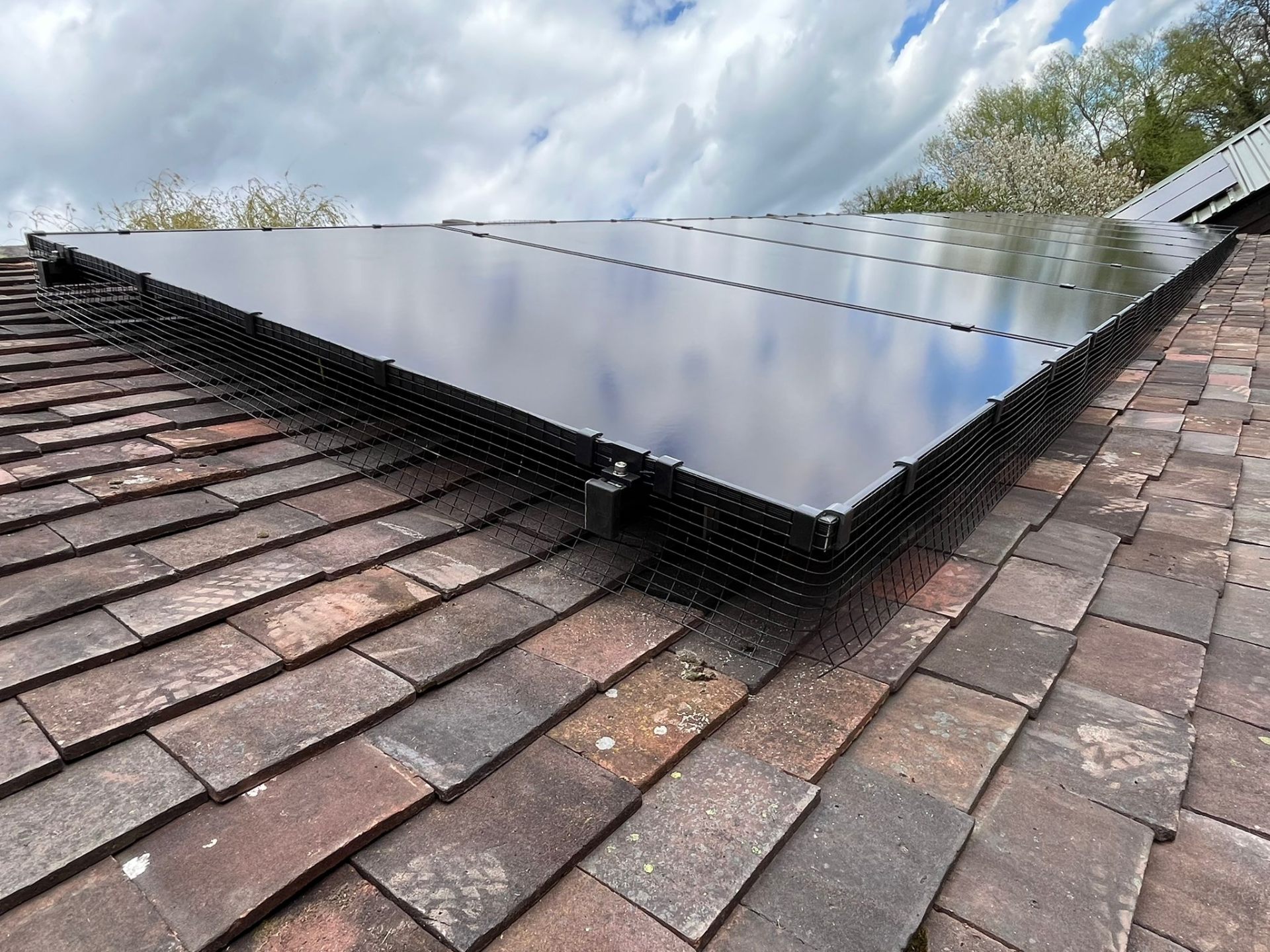
What commercial solar involves — and why it matters.
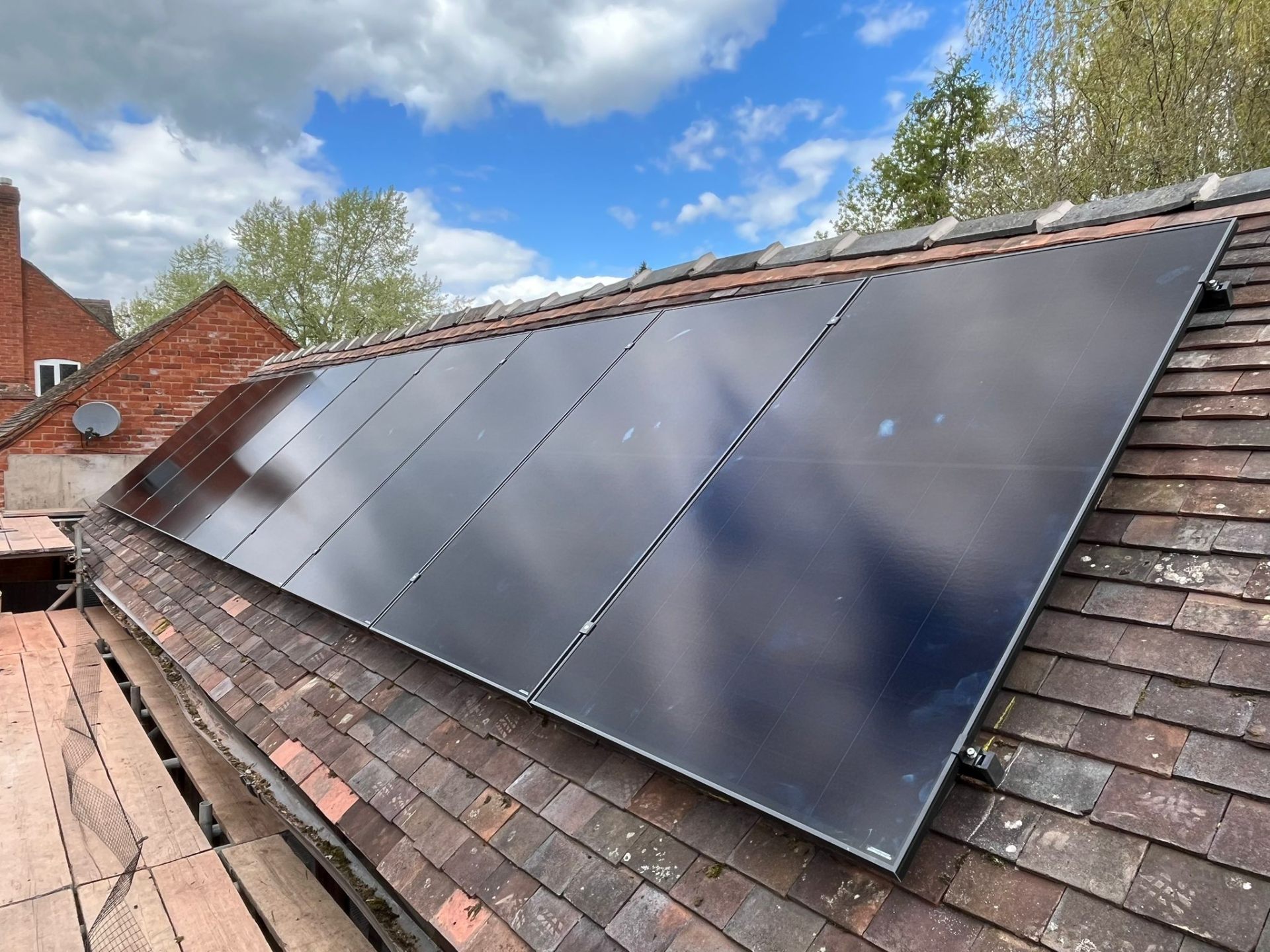
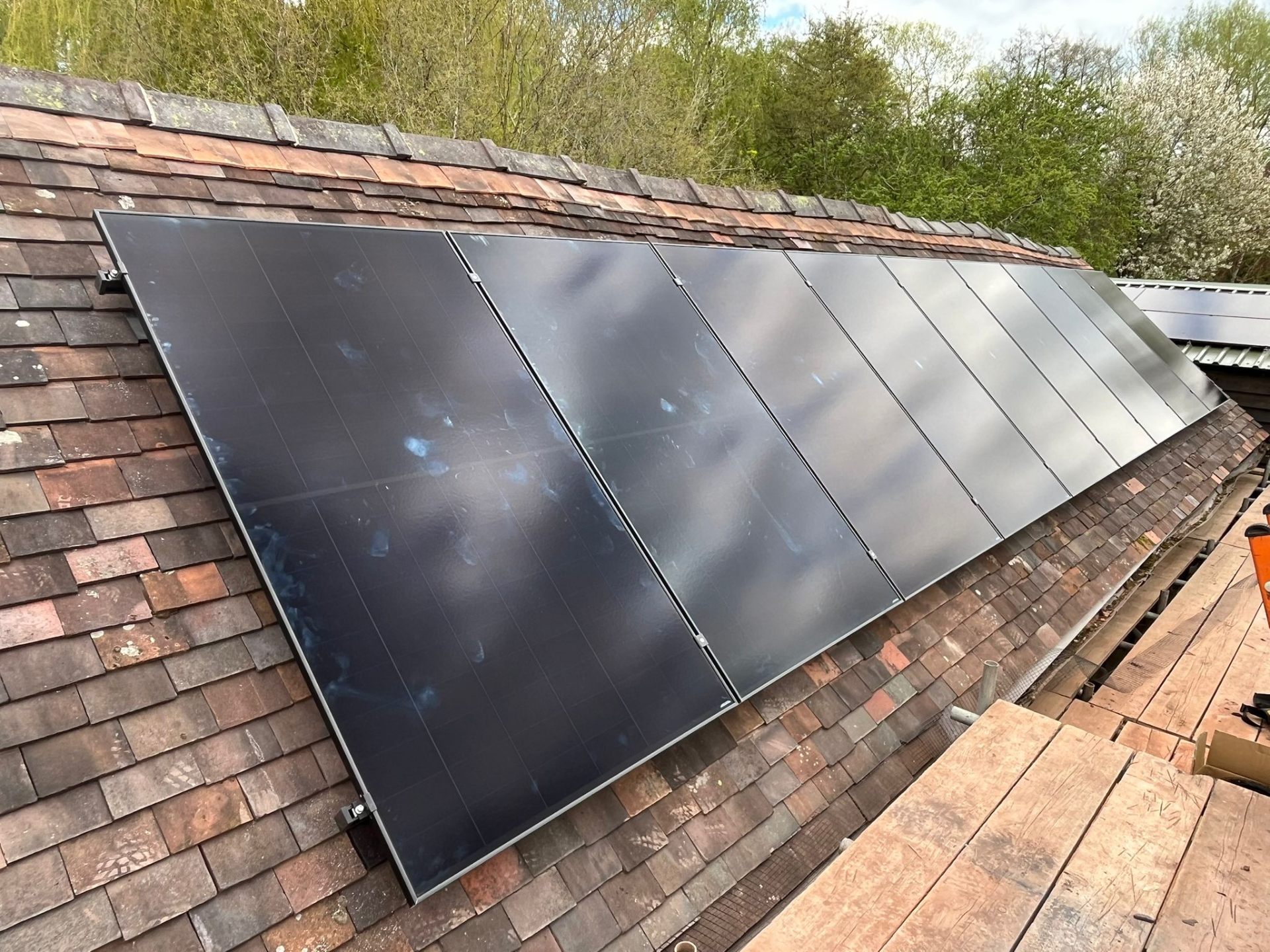
Commercial-scale solar PV installation for businesses, agricultural buildings, small industrial units, offices and multi-let sites. Systems sized to match daytime consumption, minimise export where beneficial, and deliver a defensible payback period.
Owner-managed businesses, landlords, farms, workshops and commercial property owners across Staffordshire, Shropshire, the West Midlands, Cheshire and Derbyshire who want energy cost certainty and are prepared to make a capital decision on a real payback case — not a marketing brochure.
When your daytime electricity spend is material (typically £8,000+/year), when your roof has clear aspect and structural capacity, or when a lease renewal, refurbishment or expansion is opening the roof up anyway.
Commercial energy prices remain volatile and hedging via generation is now a mainstream financial decision, not just an environmental one. MCS certification supports commercial finance products, grants and the Smart Export Guarantee — all of which materially improve the case.
What goes wrong when this isn't done properly.
Generic quotes with fantasy payback
Commercial installers routinely quote without seeing 12 months of half-hourly consumption. The payback numbers are then aspirational at best. We won't quote without data.
Roof structural surprises mid-project
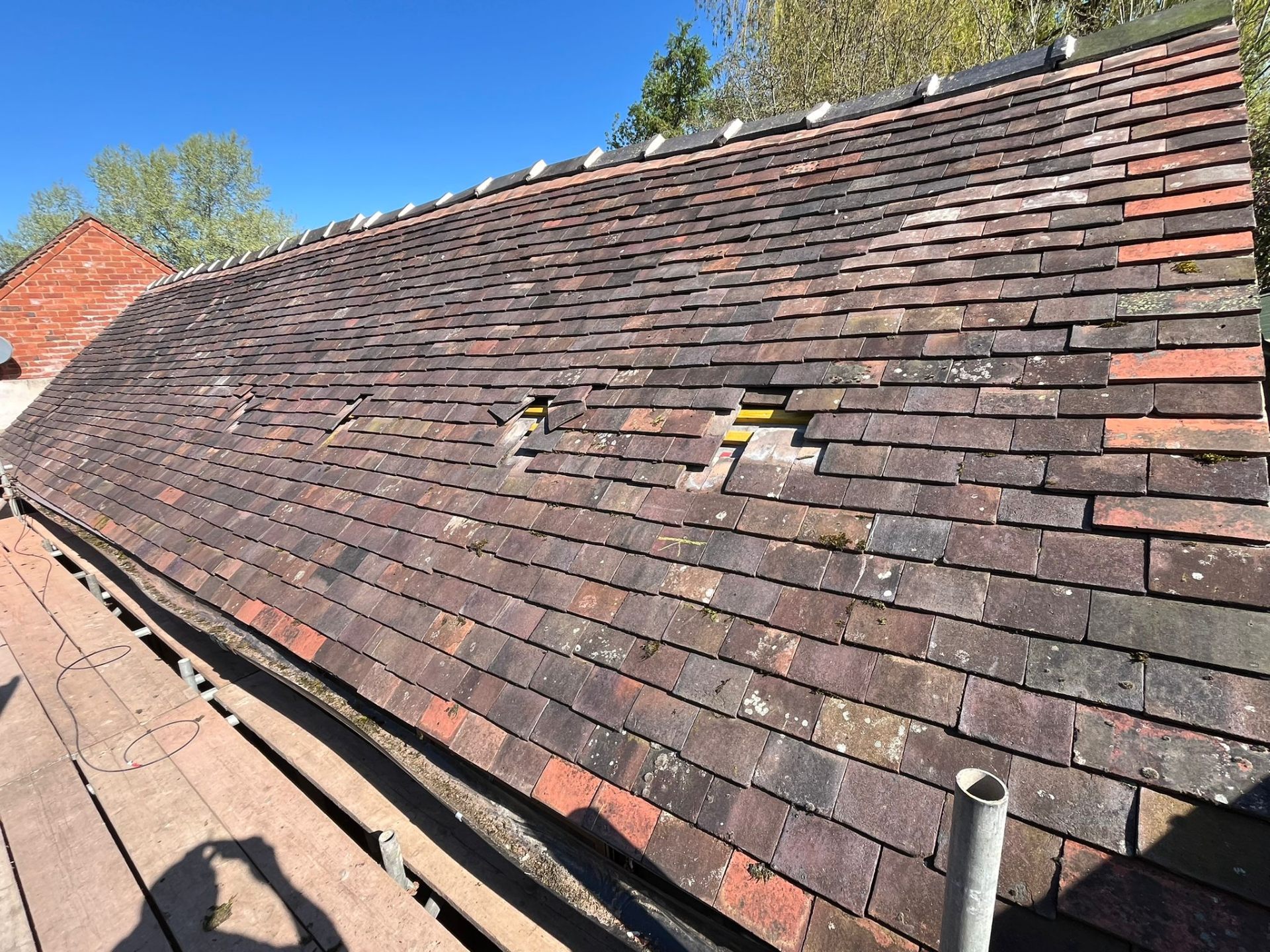
Older commercial roofs often need structural sign-off. Skipping this at survey stage causes expensive mid-install delays.
G99 approval delays killing timelines
Commercial G99 applications can take 8–20 weeks. Baking realistic timelines into the plan (or exploring behind-the-meter options) is critical.
Export mis-modelled
If most generation goes to export at 3–5p/kWh commercial rates, the case collapses. Sizing has to match daytime load — not the roof area.
Our process.
- 1
Consumption data review
We ask for 12 months of half-hourly data from your supplier and profile your daytime load pattern.
- 2
Roof survey and structural review
Aspect, pitch, condition and structural capacity — with an engineer where the roof is older or the array is heavy.
- 3
System design and payback modelling
Sized around load. Payback modelled with conservative generation and current electricity pricing, not marketing best-case.
- 4
Written proposal and finance discussion
Bespoke quote, payback model, MCS documentation plan, and finance/grant routes where relevant.
- 5
DNO / G99 application and structural sign-off
We handle the paperwork. Realistic timelines communicated up-front.
- 6
Installation, commissioning and handover
Larger installs are staged to minimise business disruption. Full MCS documentation and export registration on completion.
The benefits, in concrete terms.
Real payback, not marketing payback
Modelled on your actual half-hourly data, not a generic template. If the case doesn't stack, we'll tell you.
MCS certification unlocks finance and grants
Commercial finance products and grant schemes require MCS. Getting this right at design stage keeps options open.
Load-matched sizing
Systems designed to be consumed on-site where possible — the highest-value kWh is the one you don't export.
Owner-led project management
Mark oversees every commercial engagement personally. No handovers between sales, design and install.
Grid liaison end-to-end
G99 applications and structural sign-offs handled by us. SEG applications are yours to submit — we provide all the certification and assist through the process.
HIES cover extends to commercial
Same insurance-backed guarantee that protects our domestic customers.
The detail behind the work.
Roof-mounted vs ground-mounted commercial systems
Roof-mounted systems on profiled metal roofs (common on workshops and agricultural buildings) use clamp-mount rail systems that don't penetrate the roof. Concrete and membrane roofs use ballasted or bonded systems where penetration is unwelcome. Ground-mounted arrays are used where roof capacity is limited or planning constraints are favourable — subject to land availability and planning permission.
Sizing methodology for businesses
We start from half-hourly consumption data and model the array to serve the daytime load with minimal export. For businesses with high summer daytime load (offices with air-con, retail, workshops with machinery) the case is typically stronger than for evening-heavy sites (restaurants, some manufacturing shifts). We honestly flag where the case is marginal.
G99 and DNO capacity
Commercial G99 applications assess the DNO's local network capacity. In some locations, export limits are applied — meaning the array must be capped at a certain kW or fitted with export limitation. We identify this at survey stage and factor it into sizing.
Battery pairing for commercial sites
Commercial battery pairing improves the case where evening/overnight load is significant (accommodation, extended-hours operations) or where peak-avoidance on time-of-use commercial tariffs is available. Sizing is again driven by load, not by kit-list defaults.
Finance and grant routes
MCS certification supports commercial solar finance products (asset finance, PPA structures) and grant schemes where available. We're not brokers — we point you at the current best routes and let you choose your own funder.
Ongoing service and monitoring
Commercial installs are monitored via manufacturer platforms; we recommend annual service visits for larger installs to catch underperformance early. We can quote service contracts alongside the install.
Frequently asked questions.
Do you install commercial solar?+
Yes — we do commercial work alongside our domestic installs, keeping the engagements bespoke because every commercial roof, load profile and payback case is different.
How long does the process take end-to-end?+
Typical timelines: survey and design 2–3 weeks, G99 approval 8–20 weeks, install 1–4 weeks depending on size. Larger sites need longer G99 lead times.
What size systems do you install?+
We work across the small to mid-scale commercial range typical for owner-managed businesses. Very large industrial installs are outside our current scope — we'll say so honestly.
Do you handle the G99 application?+
Yes. We prepare and submit the G99 on your behalf and manage the correspondence with the DNO through to approval.
What payback should I expect?+
Modelled on your half-hourly data. Typical commercial payback where load matches generation is 5–8 years. Where export dominates the case, longer. We'll model your specific site honestly.
Can we finance it?+
Yes — MCS certification supports commercial asset finance and PPA structures. We're not a broker, but we can point you at current routes.
Do you provide ongoing service contracts?+
Yes — annual service contracts are available on larger installs and recommended to catch underperformance early.
What if my roof needs structural sign-off?+
We flag this at survey stage and coordinate with your structural engineer. Older commercial roofs often need this — better to identify it now than mid-install.
Related services
MCS-certified solar PV for UK homes.
New systems and retrofits to existing solar.
We fix and rectify other installers' faulty work.
From £250. Full Electrical Installation Condition Reports.
See our full service overview, browse service areas we cover, or head to the contact page to book a survey.
Ready for a straight-talking quote on commercial solar?
MCS · NAPIT · HIES · OZEV · Part P · 18th Edition · 5.0 ★ on Google (24+ reviews)